

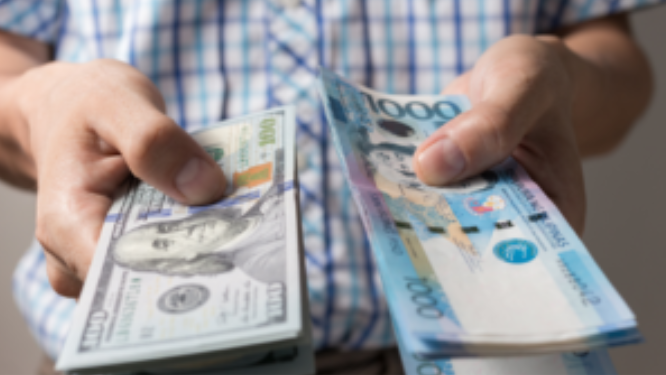
MANILA, Philippines — The Philippine peso fell to another record low on Friday, capping a bruising week for the currency as concerns over rising inflation at home threatened to prolong its slide ahead of the US Federal Reserve’s (Fed) next policy meeting.
The local currency weakened by 9.5 centavos to close at 63.615 against the dollar, data from the Bankers Association of the Philippines showed. That surpassed Thursday’s record closing low of 63.52.
The peso also hit an intraday low of 63.62, eclipsing the previous record of 63.545. Trading volume eased to $1.3 billion from $1.7 billion in the previous session.
The peso’s slide continued even as the dollar softened amid concerns about the sustainability of the artificial intelligence-driven investment boom and less hawkish signals from Fed officials.
Despite US inflation that exceeded expectations, Fed officials have recently indicated a preference for a slower, more measured approach to interest rates, Reuters reported. The US central bank is scheduled to meet on Oct. 27 and 28.
Surprise hike
At home, the Bangko Sentral ng Pilipinas (BSP) raised its policy rate by 50 basis points on Thursday to 5.5 percent, a larger-than-expected increase meant to choke off stubbornly high inflation.
The BSP expects inflation to average 6.1 percent this year, well above its 3-percent target.
It further raised its inflation forecast for 2027 to 6 percent from 5.4 percent, though it expects price growth to ease to 3.3 percent in 2028.
BSP Governor Eli Remolona Jr. has signaled that further rate increases remain possible, even after the central bank’s cumulative 125-basis-point tightening since April.
“The peso weakened anew as local inflation worries resurfaced after the BSP upwardly revised its inflation outlook for 2027,” a trader said. “The weakness of the local currency might persist into next week ahead of the Fed policy meeting.”
Remolona has said the central bank does not target a particular exchange rate, allowing market forces to determine the peso’s value. The BSP intervenes only to temper excessive volatility that could fuel inflation, he has said.
